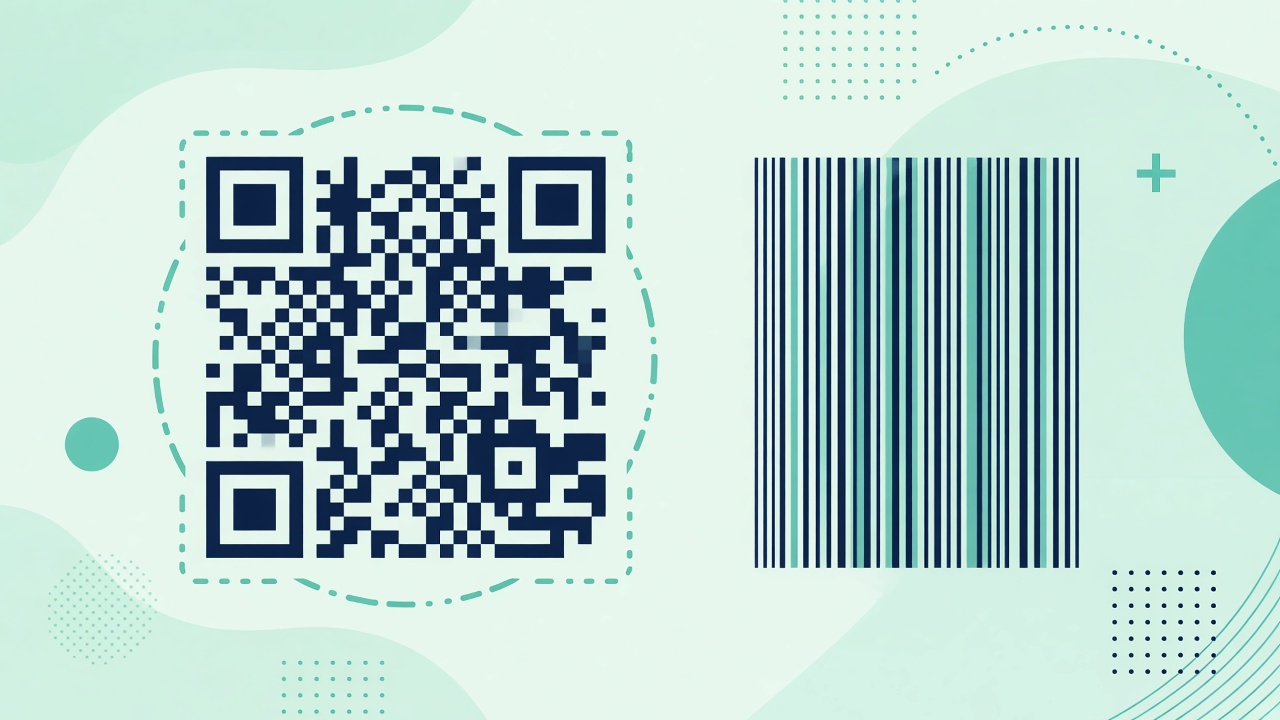
Code 128 vs EAN-13 vs UPC-A
Which barcode to use for inventory, retail shelf tags, and US packaging—plus free generators for each type on Mewix.
September 28, 2026 · 1 min read
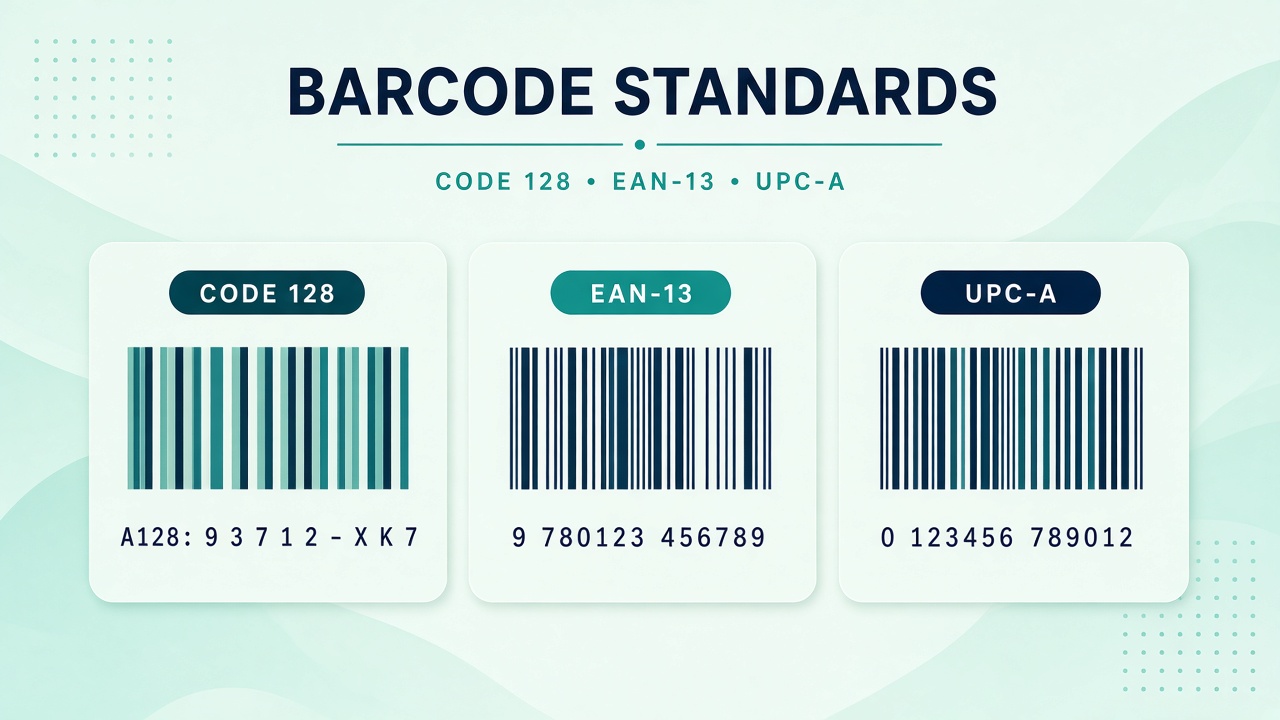
Picking the wrong symbology wastes label stock. Here is a plain comparison of Code 128, EAN-13, and UPC-A—the three most requested types on a general barcode generator.
Comparison table
| Code 128 | EAN-13 | UPC-A | |
|---|---|---|---|
| Data | Alphanumeric (flexible) | 13-digit GTIN | 12-digit UPC |
| Typical use | Logistics, inventory, internal SKUs | Retail outside North America | US/Canada retail |
| Variable length | Yes | Fixed | Fixed |
| Retail POS | Sometimes | Yes | Yes |
When to use Code 128
Use Code 128 for warehouse labels, asset tags, and internal codes that need letters or longer payloads. It is the workhorse when you are not encoding a GS1 retail GTIN for a shelf.
When to use EAN-13
Use EAN-13 for retail products sold internationally (and many regions as the default shelf barcode). You need a proper GTIN assignment—not a random 13-digit string.
When to use UPC-A
Use UPC-A for North American retail packaging. Same caution: use assigned UPC numbers from your GS1 membership or retailer process.
Cartons
Outer cases often need ITF-14, not these three—see the ITF-14 guide.
CTA: Open the matching generator—Code 128, EAN-13, or UPC-A.